
What is Reverse Osmosis?
Summary
Reverse Osmosis (RO) systems are highly effective at removing contaminants
RO is only required for drinking water
RO systems do require routine maintenance and high upfront costs
Plumbers and water treatment companies can help you install RO systems
What is Reverse Osmosis?
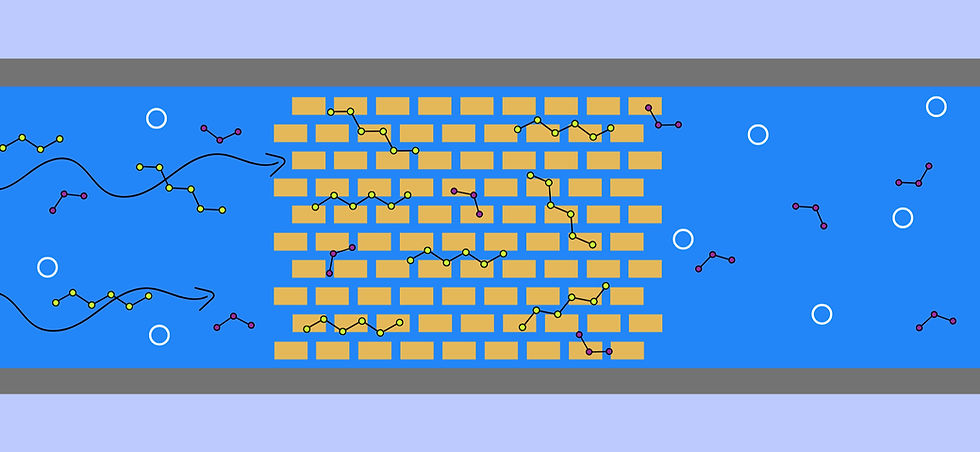
Reverse Osmosis (also referenced as RO) pushes water through a semi permeable membrane, which filters certain contaminants out of your drinking water. Semi permeable membranes are specifically designed to block certain molecules, while allowing other molecules to pass through.

Semi Permeable Membrane
Most RO systems contain 3 or 4 filters to ensure safe drinking water. These filters can be placed before (pre-treatment) or after (post-treatment) the reverse osmosis membrane..
Pre-treatment filters are used to remove any sediment, chlorine, and anything else that can damage the reverse osmosis membrane.
Post-treatment filters do a final removal of any residual contaminants. They can also be treatments for bacteria and keep your water within safe pH levels (6.5-8.5 for drinking water).
When Do You Need Reverse Osmosis?
RO systems are crucial in areas with high levels of heavy metals and chlorine. Reverse osmosis removes harmful contaminants from your water to make it safe for consumption.
Lacking a needed RO system can result in adverse health effects such as liver, kidney, and intestinal damage. Consuming high amounts of heavy metals may also cause anemia and increase cancer risk.
RO systems are only necessary for drinking water. You will typically find them at the kitchen sink as a separate faucet fixture (see picture above). Water used for daily tasks, like laundry, toilets, showering, irrigation, etc., do not need RO systems.
What Are the Downsides?
Although extremely effective, there are some things you may want to consider before investing in an RO system.
Cost
RO systems have quite a high initial cost, as there's a lot of special equipment that goes into it. The average cost for an RO system is $300-$1500, depending on the system and quality. There may also be additional installation fees and yearly maintenance costs.
Water Usage
RO systems require a lot of water; for every 1 gallon of clean drinking water, 3 gallons of water waste is produced. This can lead to higher water bills for your household.
There are some RO systems that produce less water waste. RO systems labeled with ‘WaterSense’ are EPA certified for efficiency and performance. WaterSense labeled systems must prove that they don’t produce more than 2.3 gallons of water waste for every 1 gallon of clean drinking water.

Water Usage
Maintenance
The membrane in RO systems does require replacement every 2-5 years and the filters should be replaced roughly every 6 months. It’s recommended to have professionals replace your RO membrane. The filter may be able to be replaced by the homeowner with careful instructions.
Removal of Minerals
RO systems filter out all minerals, the good and the bad, leaving water that may taste flat and lack nutrients like magnesium and iodine. This can be solved by re-mineralizing your water
Remineralization can be accomplished in a few ways such as mineral cartridges, mineral drops, or adding salt.
Although reverse osmosis removes healthy minerals, drinking RO water does not have detrimental health effects.
Who Should You Contact For Help?
RO systems are hard to install and usually require professional set up within your home. However, smaller RO systems do provide instructions to set it up by yourself at home.
Plumbers and water treatment companies can sell and/or install RO systems for your home. Places selling RO systems typically offer installation services for an additional cost.
References
https://www.epa.gov/privatewells/potential-well-water-contaminants-and-their-impacts
https://www.newater.com/reverse-osmosis-water-pros-cons/#Do_I_Need_A_Reverse_Osmosis_System
https://www.epa.gov/watersense/point-use-reverse-osmosis-systems
https://www.raynewater.com/blog/how-to-change-or-replace-a-reverse-osmosis-filter/


Comments