
How To Treat Coliform Bacteria
Summary
Total Coliform is a group of 16 bacteria species that can cause diarrhea, nausea, and headaches.
Shocking a well with chlorine is a fast and cost effective way to treat total coliform immediately and temporarily.
UV Treatment and Drip Chlorine is a continuous way of treating ongoing contamination of well water.
Well drillers and plumbers are able to assess the well for remediation.
What is Coliform Bacteria?
Coliform bacteria are biological and naturally occurring in the environment. Coliform is a group of 16 bacteria species, which includes E. coli. They originate from soil runoff and animal feces.

Total coliform is the larger group of 16 bacteria species, which includes the subgroup of fecal coliform. E. coli is a specific species of fecal coliform.
Because total coliform is common in soils, its presence in your drinking water isn’t necessarily harmful. Instead, total coliform is an indicator organism. Some coliform bacteria may cause diarrhea, nausea, headaches, fatigue, and in serious cases jaundice.
Ask your lab if the E. coli was present in your water sample.
Next Steps
If your total coliform test came back positive, the first to consider before remediation:
Did you follow proper sampling procedures?
If the faucets your samples were collected from were not sanitized properly, there can be false positive results
Retest your water
Even if you followed proper sampling procedures, there may still be an outside contaminant that ended up in your sample
Retesting is significantly cheaper than chlorinating a well if you don’t need to. If you still have a positive sample contact a professional, such as a well driller or plumber to discuss the best remediation method for your unique situation.
Treatments for Coliform Bacteria
Three methods for treating coliform bacteria are; shocking the well, drip chlorine, and UV treatment. All methods are very effective, but they are used in different cases. After treatment, you will need to retest your well to ensure that the method was effective.
Shocking the Well
Shocking a well treats total coliform by adding chlorine into the well system to kill the bacteria. In most cases, all the total coliform bacteria present will be killed. Shocking your well with chlorine is typically a one time process - you won’t need to redo it unless the bacteria comes back. Chlorine is a fast, immediate, and cost effective approach compared to most other treatments.

Shock Chlorine Procedure
Shocking your well with chlorine also requires proper safety during and after the procedure. Your water system must be fully flushed after the treatment to make sure there is no residual chlorine in your drinking water. Avoid using your water during the treatment as this can be very harmful for plants, pets, and humans.
Shocking your well can be accomplished by a professional or by yourself. If you’re going to shock the well at home, there are certain procedures you need to follow to avoid damaging your well. Please contact a well driller professional for steps and more details.
Drip Chlorine
Drip chlorine, or continuous chlorination, is another method utilizing chlorine. Instead of shocking your system with chlorine, it gets added into your water before it reaches your home.
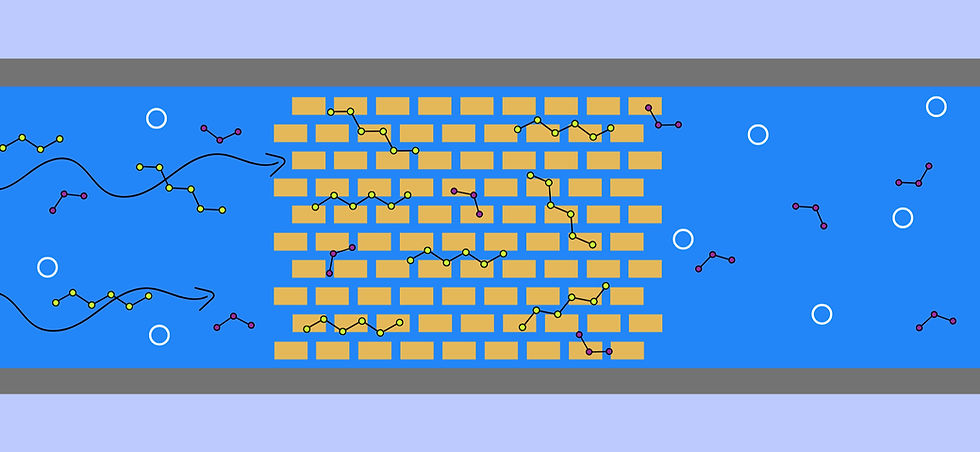
Most continuous chlorine systems inject a liquid or powder chlorine solution into your water. As the chlorine comes in contact with the water it eliminates bacteria and is simultaneously consumed by metals and organic matter.
Depending on the size of your holding tank, this method requires a minimum of 30 minutes of contact between water and chlorine. To ensure the contact time is reached, larger holding tanks or coiled pipes may need to be installed into your home. Consult a well driller or plumber to ensure proper use of chemicals and maintenance of the well system over time.
Chlorination installation requires a lot of maintenance as the chlorine will be used up over time. Chlorine levels should also be monitored to make sure it’s at safe levels for consumption. Most drip chlorine systems have filters before the chlorine injection to remove any debris.

Drip/Continuous Chlorine Using a Contact Tank
UV Treatment
UV treatment is another option for treating coliform bacteria. Unlike shocking the well with chlorine, UV treatment is an ongoing process that will disinfect your water before it enters your home. UV treatment is effective at killing all forms of coliform bacteria.
UV installations are typically more expensive upfront and require routine maintenance to ensure quality treatment. Although more expensive than the other two options, it continuously disinfects your water and does not require purchasing another UV light if coliform bacteria comes back. However, the UV lightbulb does need to be replaced at least once a year for proper disinfection.

UV Treatment
Which Treatment is Right For You?
See table below to find what the right solution may be for you. If you have further questions about treatment we recommend talking with a local water treatment company or a well driling company.

References


Comments